
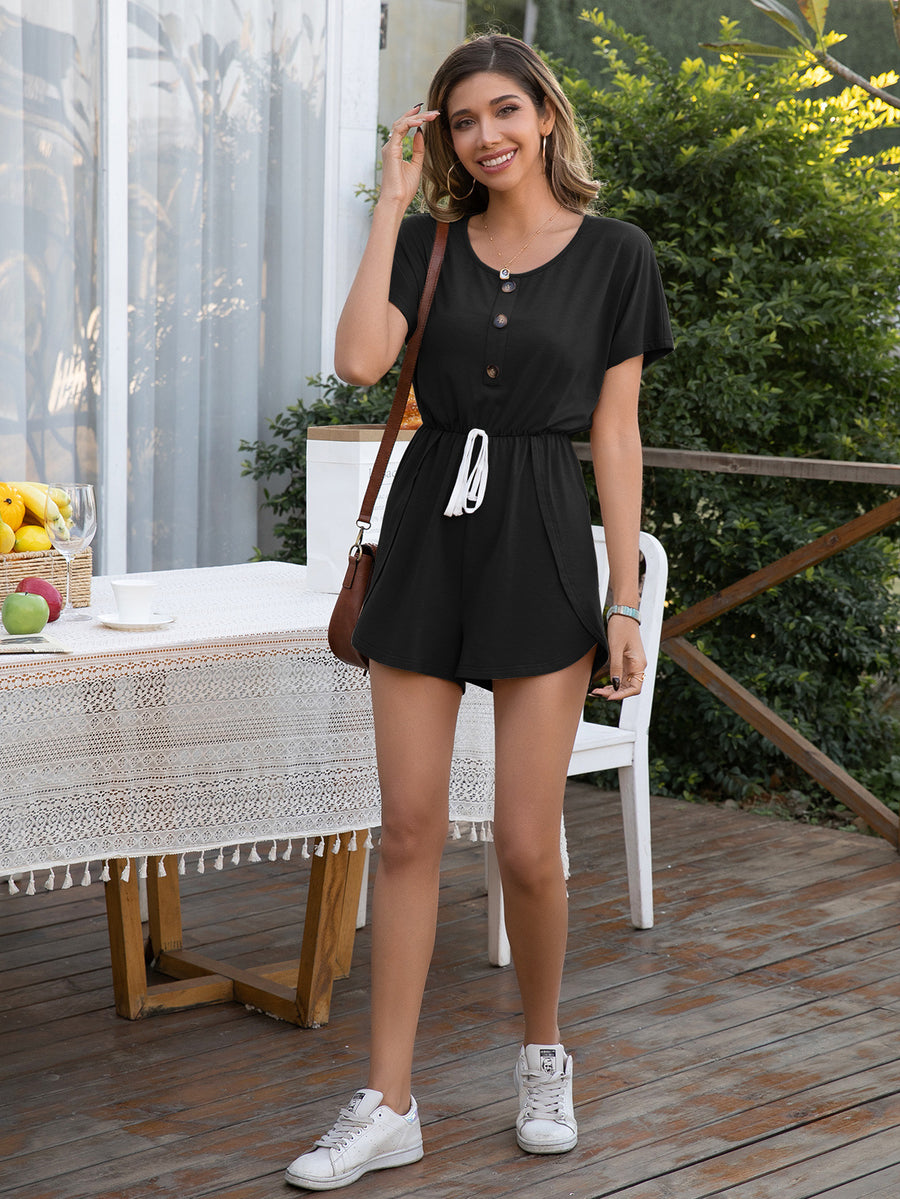



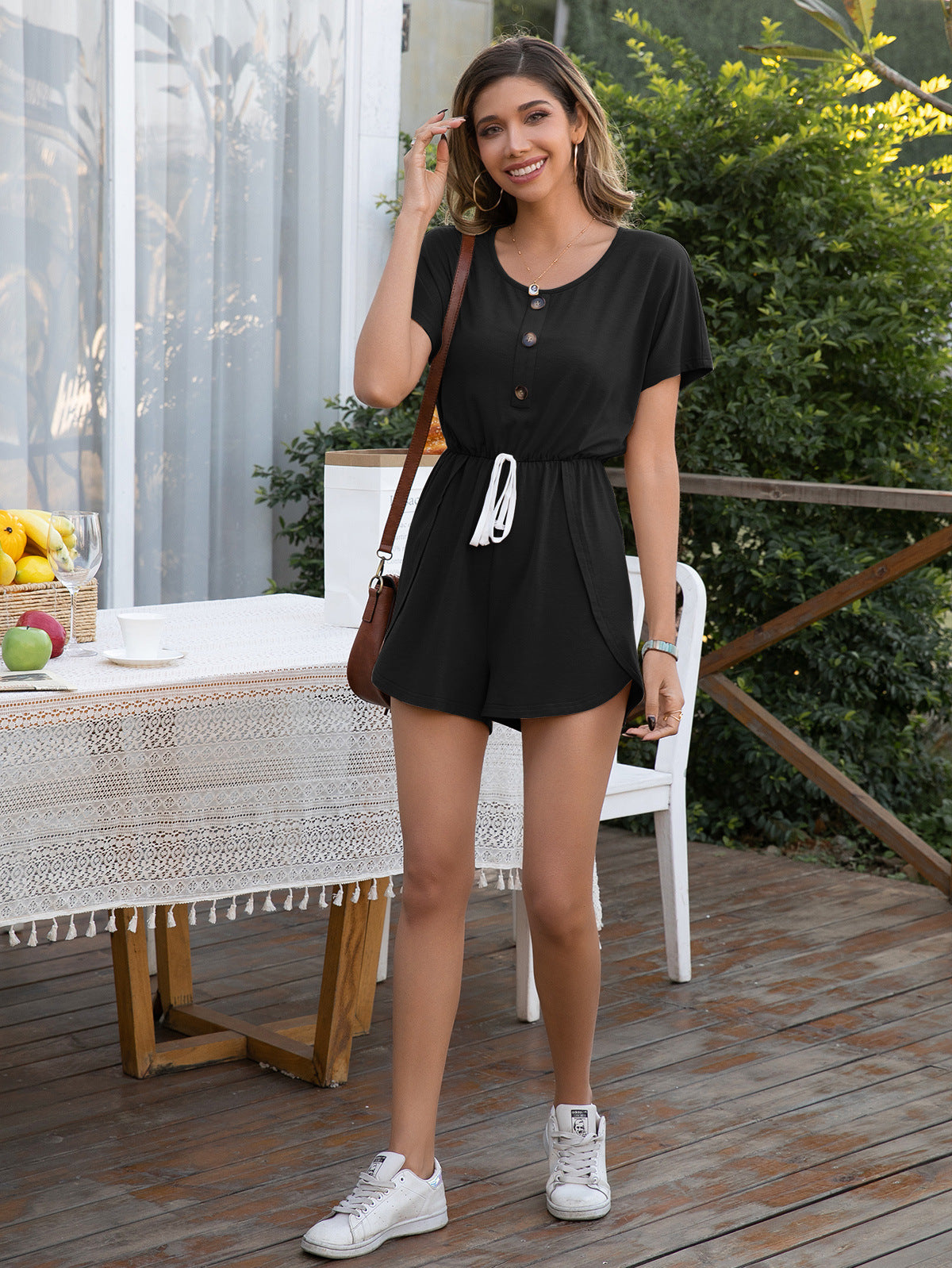
The problem with day-to-night dressing is usually not the number of clothes available. It is that the daytime look was never built with the evening in mind. A flexible wardrobe starts with a foundation that can hold both settings, then changes the energy through proportion, shoes, accessories, or one strategic layer.
Begin with a clean foundation
A dress with a strong line, a coordinated set, tailored trousers with a polished top, or a jumpsuit can all move through the day without feeling unfinished. Keep the base comfortable enough for hours of wear and refined enough that it does not need rescuing later.
Save the strongest detail for the transition
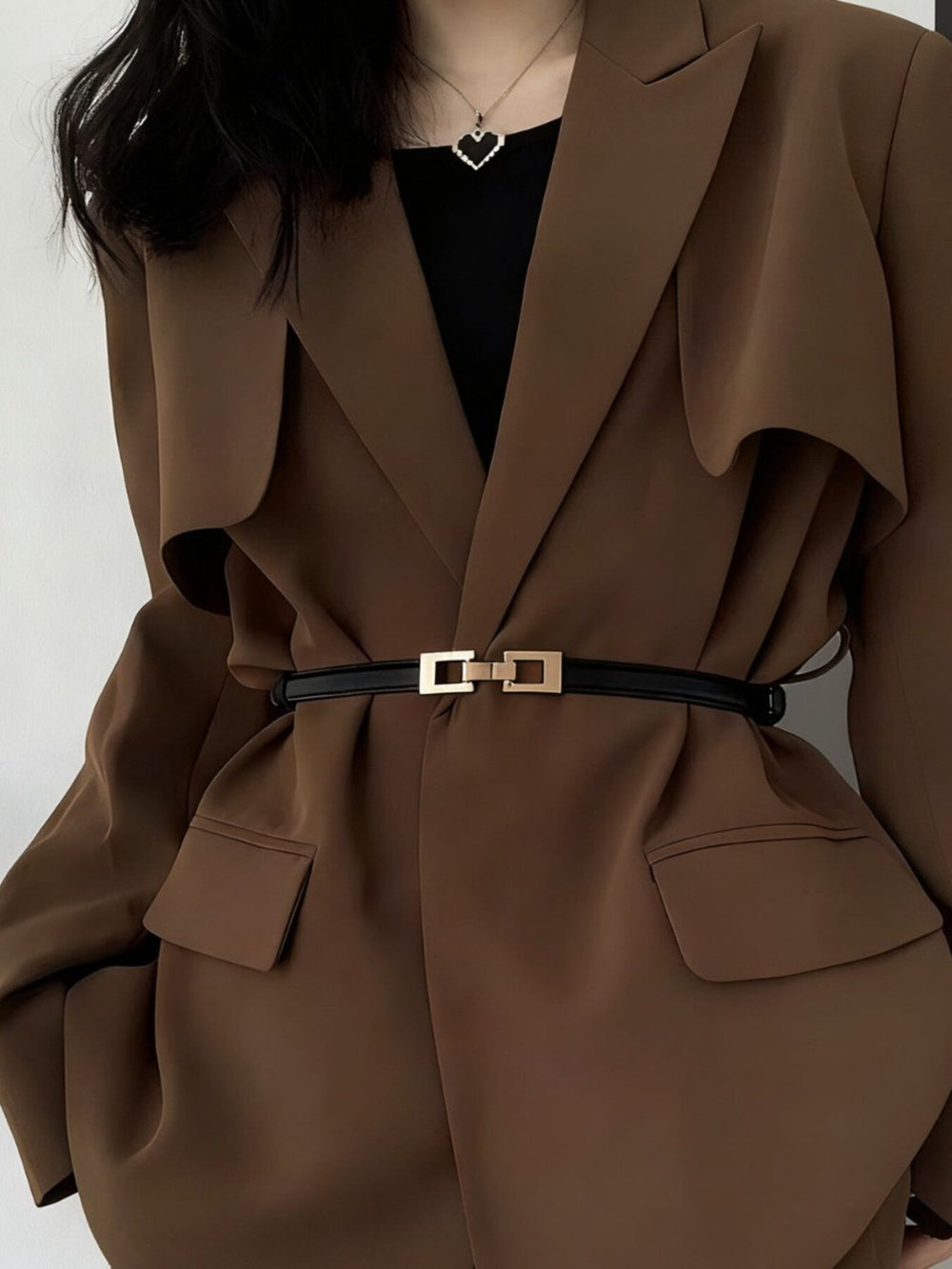
The quickest shift can come from a heel, jewelry, a sharper bag, a different lip color, or removing a daytime layer. One visible change is often more effective than carrying an entirely separate outfit.
Make the schedule part of the styling
The Desk-to-Dinner Wardrobe is built for days when the calendar keeps going after work. Choose pieces that still look intentional at the end of the day, then keep the evening additions small enough to live in your bag or on the back of your chair.






Your Point of View
Add your voice to the story.
Tell us what the look made you notice, how you would wear the idea, or where you would take it next.